
Substance Use & Dual Diagnosis Program
Fentanyl & Opioid Addiction Treatment
Fentanyl and opioid addiction treatment at Mind-U combines medically supervised stabilization with root-cause psychiatric care — treating the addiction and the psychiatric factors driving it together, not the substance use in isolation.
- Level of care
- Residential, with ICU-level stabilization on arrival
- Clinical model
- Psychiatric-led, not 12-step
- Medication goal
- Brain stabilization — not lifelong medication
- Proximity
- ~20 minutes from San Diego
What Treatment Looks Like at Mind-U
Opioid use disorder treatment here isn't built around a single detox protocol followed by a generic support-group model. Psychiatric treatment for opioid addiction is the foundation — a psychiatrist evaluates each patient before admission and leads the case throughout, working alongside psychology, nutrition, and medical staff on one coordinated plan.
From arrival, the process is medically structured: vital signs are taken immediately, followed by blood and urine lab work completed within the first 48 hours. For the first 72 hours, patients remain under continuous observation in Mind-U's Detox and Stabilization Area, connected to vital sign monitors, while the psychiatric and medical teams complete their initial evaluations.
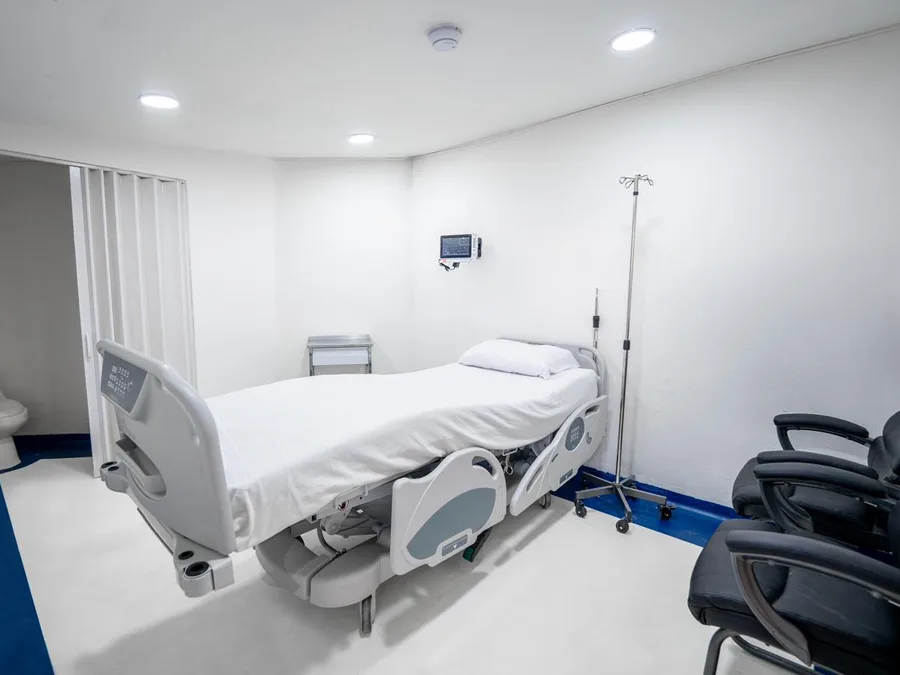
Medically structured from hour one
If a patient is still experiencing hallucinations during this window, they're stabilized with the medication Dr. Rochin determines is appropriate for their case — never a one-size-fits-all protocol.
Not Medicated for Life
Will my loved one have to stay on medication for the rest of their life? No. The goal at Mind-U is brain stabilization, not lifelong medication — psychiatric care is used to manage withdrawal safely while the brain relearns to function without the substance. If a patient arrives actively intoxicated, naloxone is used to reverse the intoxication as part of immediate stabilization.
When It Started with a Counterfeit Pill
This happens more often than most families realize — many fentanyl addictions start with a counterfeit pill, not intentional use. Treatment focuses on stabilization first, then on the psychiatric care that prevents relapse. If your son or daughter took something they believed was a different pill and is now dealing with a fentanyl addiction, that's not a story treatment turns away from — it's one Mind-U's team sees regularly, and it doesn't change the care they receive.
Treating Co-Occurring Depression, Anxiety, or Trauma
That combination is common, not the exception — Mind-U treats the addiction and the underlying psychiatric condition together, under the same clinical team, rather than treating one and referring out the other.
Relapse prevention
Relapse Prevention With the Naltrexone Implant
A non-narcotic, subdermal implant used after medical stabilization to help prevent relapse in the vulnerable months that follow — three ways to access it, depending on what a patient needs first.
- Required lab workup beforehand
- Dr. Rochin's clinical approval required
- No full residential stay needed
- Clinical supervision throughout
- Lab workup + implant application
- Returns home once cleared
- Everything in the Basic tier
- Holistic, psychiatric & nutrition support
- For patients needing deeper clinical care
The naltrexone implant is also available as a secondary option for alcohol dependence, subject to medical evaluation. Coverage duration varies by case — our clinical team will confirm what to expect during your consultation.
Researching ibogaine as an alternative? See our fact-based comparison of the health risks →
Also read: Is Ibogaine Treatment Safe? · Ibogaine vs. Psychiatric Treatment · Ibogaine for Opioid and Fentanyl Withdrawal
Common questions
Frequently Asked Questions
Will my loved one have to stay on medication for the rest of their life?
My child took a pill they thought was something else and now they're addicted to fentanyl — what do we do?
Is fentanyl addiction treatment covered by insurance?
Does Mind-U use the 12-step model for opioid addiction treatment?
What if my family member has depression or anxiety along with the opioid addiction?
Is residential treatment necessary for fentanyl addiction, or can outpatient work?
How close is Mind-U to San Diego?
Can someone relapse or overdose again after completing fentanyl treatment?
What's the difference between fentanyl addiction and other opioid addictions?
How long does fentanyl withdrawal last?
What medications are used during fentanyl detox, and are they addictive too?
How do I get someone into treatment who doesn't think they have a problem?
Ready when you are
Speak With Our Admissions Team Today
Confidential, no pressure — just a conversation about what treatment could look like for your family.