
Substance Use & Dual Diagnosis Program
Naltrexone Treatment for Alcohol
One procedure. 3 to 3.5 months of coverage. No long inpatient stay and no daily pill to remember — a medical treatment for people who want to stop drinking without pausing their life for weeks.
- Level of care
- Outpatient or short residential
- Clinical model
- Subdermal implant (pellet)
- Coverage duration
- 3 to 3.5 months
- Proximity
- ~20 minutes from San Diego
What Naltrexone Is and How It Helps With Drinking
A blocker, not a substitute
Naltrexone is a medication that blocks alcohol's effect in the brain — it isn't habit-forming, doesn't produce euphoria, and isn't itself an addictive substance. By reducing alcohol's reinforcing effect, it helps the urge to drink lose intensity over time, giving the person room to build new habits without fighting the craving every day.
Not trading one dependency for another
Naltrexone isn't an opioid or a sedative — it's a blocker, not a substitute. It doesn't create physical dependence of its own, and there's nothing to taper off of when treatment ends.
Why Mind-U Uses the Implant, Not Just the Daily Pill
The naltrexone molecule exists in oral tablet and monthly injection form — both FDA-approved. The implant/pellet format specifically doesn't carry that same separate approval in the U.S.; it's accessed, as in Mexico, through compounding pharmacies with an individualized prescription, and is backed by clinical evidence on its use in relapse prevention.
- One procedure, 3 to 3.5 months of coverage. Unlike a daily pill that depends on the patient remembering to take it, a single procedure covers this period.
- Non-narcotic and non-addictive. As a blocker rather than an agonist, it doesn't produce euphoria or create physical dependence on its own.
- Backed by clinical evidence. Long-acting naltrexone has been studied in randomized clinical trials, with significant reductions in relapse risk compared to standard care.
- Applied only after medical clearance. It's never applied automatically — it requires prior labs and medical clearance confirming it's safe and appropriate for each case.
How One Procedure Can Change a Family's Trajectory
For many families, what wears them down most isn't one bad moment — it's the repeated uncertainty: the question of whether today's the day, whether this time is different. By taking the daily "pill or no pill" decision out of the equation, the implant gives the person and the people around them something they've often been missing: predictability.
It isn't a cure or a magic fix — it's a medical tool that reduces the urge to drink while the person rebuilds daily life, with or without additional psychological support depending on the case.
Professional help without pausing your life for weeks
The outpatient route is designed for people who don't require full residential stabilization — a fast medical alternative to a long treatment program or inpatient stay.
Two Ways to Access Treatment
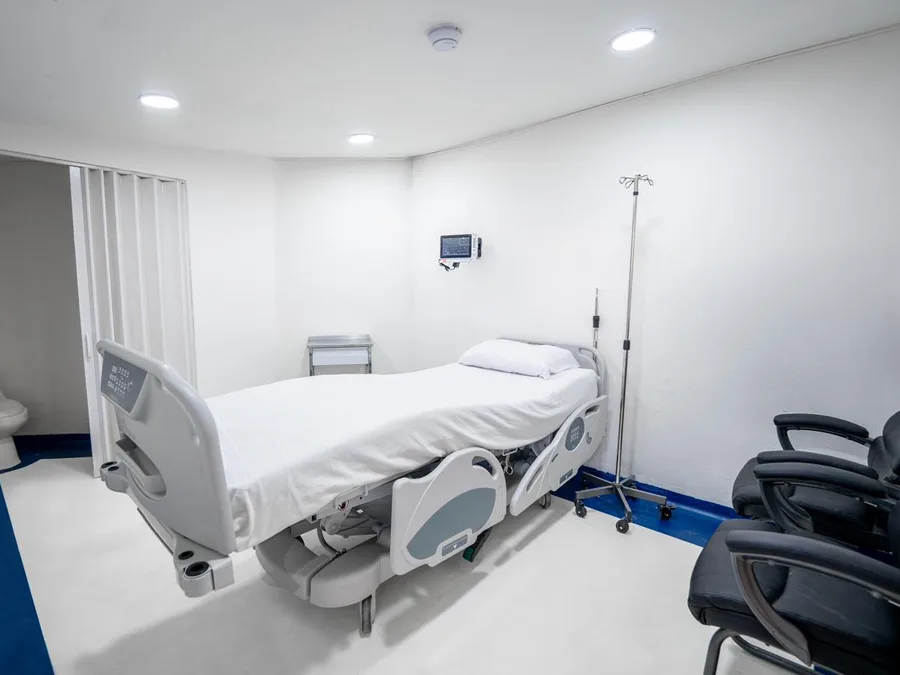
Requires prior lab work and medical clearance. Doesn't require full residential stabilization.
Includes clinical supervision, psychological and psychiatric care during the stay, and the implant application.
Cost and Insurance
Mind-U is a private-pay program; many PPO plans offer out-of-network reimbursement, and our admissions team can help you understand what that looks like for your plan. See pricing and financing →
Want to Learn More First?
Signs of Alcohol Use Disorder: When Drinking Becomes a Problem → or Naltrexone Implant vs. Pill vs. Monthly Injection →
Frequently asked questions
Frequently Asked Questions
Does naltrexone work the same way for alcohol as it does for opioids?
Do I need to stop drinking completely before getting the implant?
How long does the implant's coverage last?
Is the naltrexone implant FDA-approved?
Do I need to be admitted as an inpatient to get this treatment?
Is naltrexone the same as disulfiram (Antabuse)?
How do I get a loved one into treatment when they don't believe they have a problem?
Professional help for alcohol use
No Long Inpatient Stay, No Weeks-Long Treatment
Confidential, no pressure — see how it works and whether naltrexone treatment is right for your case.